










News



When hiring a nanny for a newborn, ask about recent infant experience, safe sleep, feeding, crying, emergencies, communication, and reliability. Verify references and qualifications, complete the screening permitted where you live, and arrange a paid trial while a parent is present. Strong candidates explain their judgment clearly, respect written instructions, and stay calm when a baby’s needs change.
A newborn nanny will make dozens of small decisions during an ordinary day. A polished interview shows whether someone communicates well. It does not show how that person reacts to prolonged crying, a missed nap, a difficult feed, or an urgent situation. The questions below are designed to reveal experience, judgment, and fit.
General childcare experience is useful, but newborn care has its own pace. Ask candidates to describe recent work with babies close to your child’s age.
Warmth matters, but “I love babies” is not a record of professional experience. Follow broad answers with a request for one recent example.
A thoughtful answer may include checking for tiredness, discomfort, temperature, trapped wind, overstimulation, or a need for closeness. Look for a calm process, not a promise to stop every cry.
This moves the conversation from theory to experience. Listen for patience, observation, and a sensible point at which the candidate contacted the parents.
Do not settle for “Yes, I know safe sleep.” Ask the candidate to describe the sleep space and what happens if the baby falls asleep somewhere else.
Current guidance recommends placing babies on their backs on a firm, flat sleep surface with a fitted sheet. Loose blankets, pillows, bumpers, stuffed toys, and other soft items should stay outside the sleep space. Read Bebcare’s guide to setting up a calmer baby environment for a practical nursery overview.
Shape the questions around the way your baby is fed. Ask how the candidate prepares, stores, warms, offers, and records feeds. If a healthcare professional has given written instructions, make clear that the plan must be followed.
Parents preparing for the early months may also find The First 90 Days useful for setting realistic expectations around feeding, sleep, and asking for help.
Ask to see current infant first aid and CPR certification. Then use situations that require the candidate to explain priorities in order.
Listen for immediate action based on current training and a clear understanding of when to call emergency services.
A suitable answer should prioritize urgent help and clear communication rather than continued observation.
Getting the baby out safely comes before collecting belongings or attempting to manage a fire alone.
Before the first day, provide the home address, parent numbers, a backup contact, allergies, healthcare information, emergency exits, and the location of essential supplies.
Some parents want an update after each feed and nap. Others prefer one midday summary unless something changes. Agree on the format in advance.
If a parent works from home, decide when the nanny should interrupt a meeting, how shared spaces will work, and whether the parent plans to join feeds or settling periods.
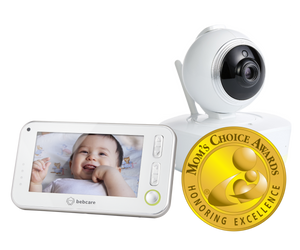
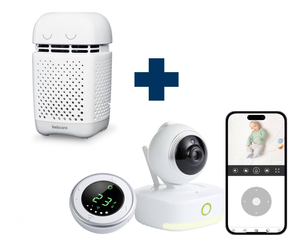
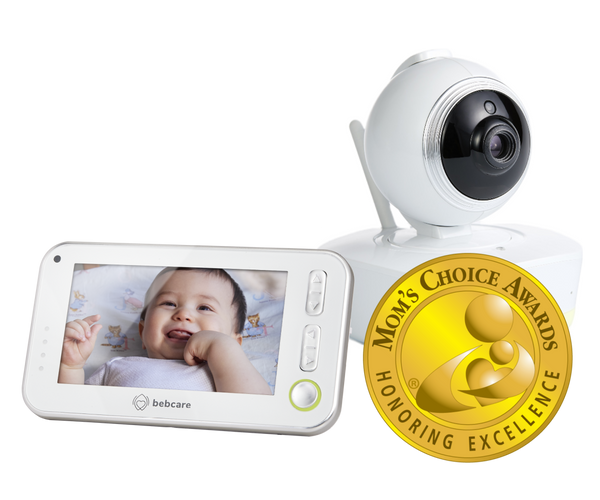
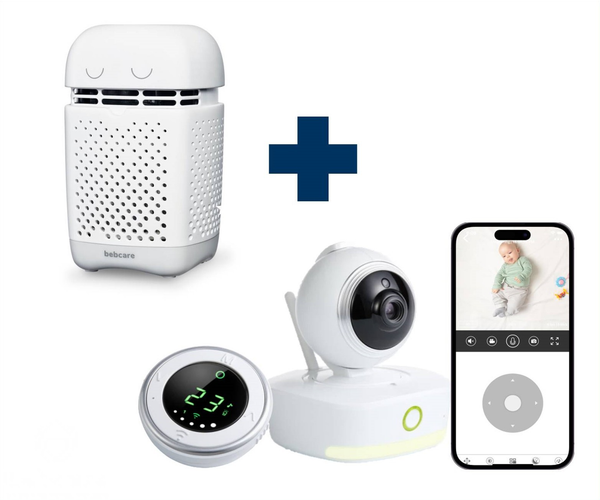
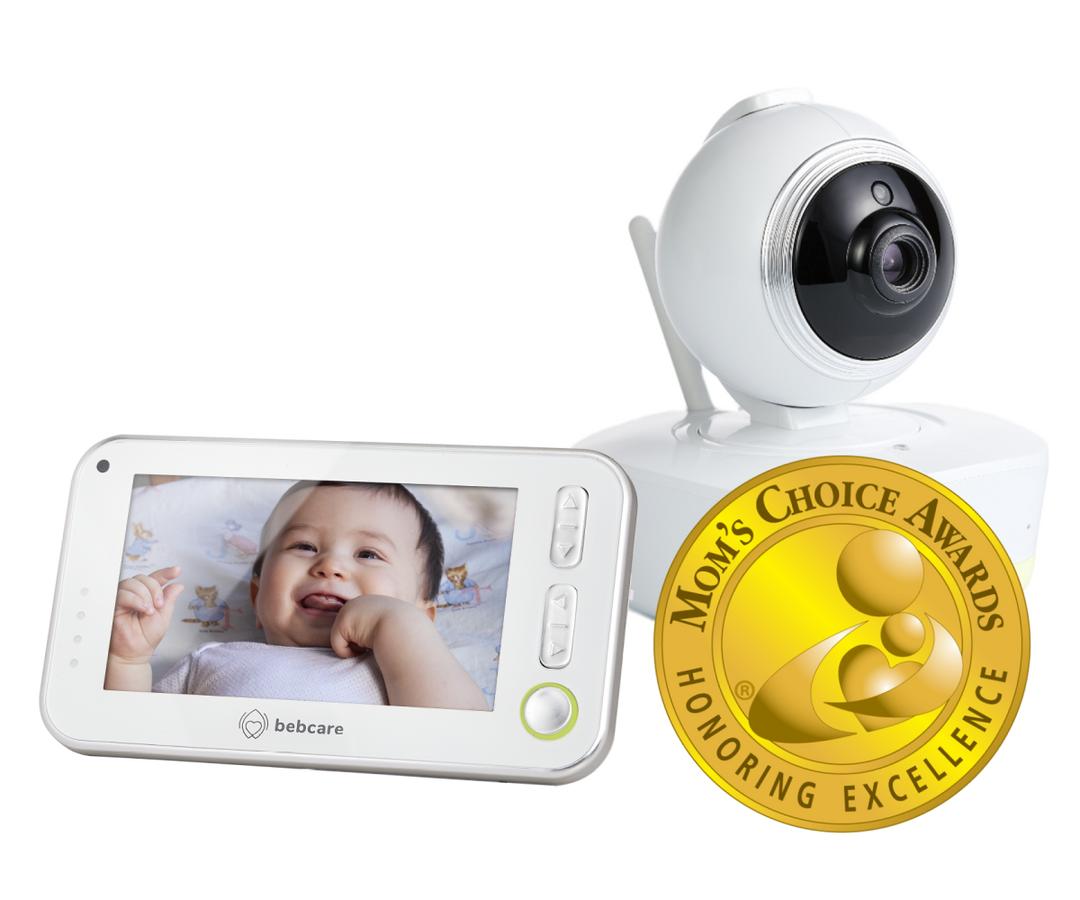
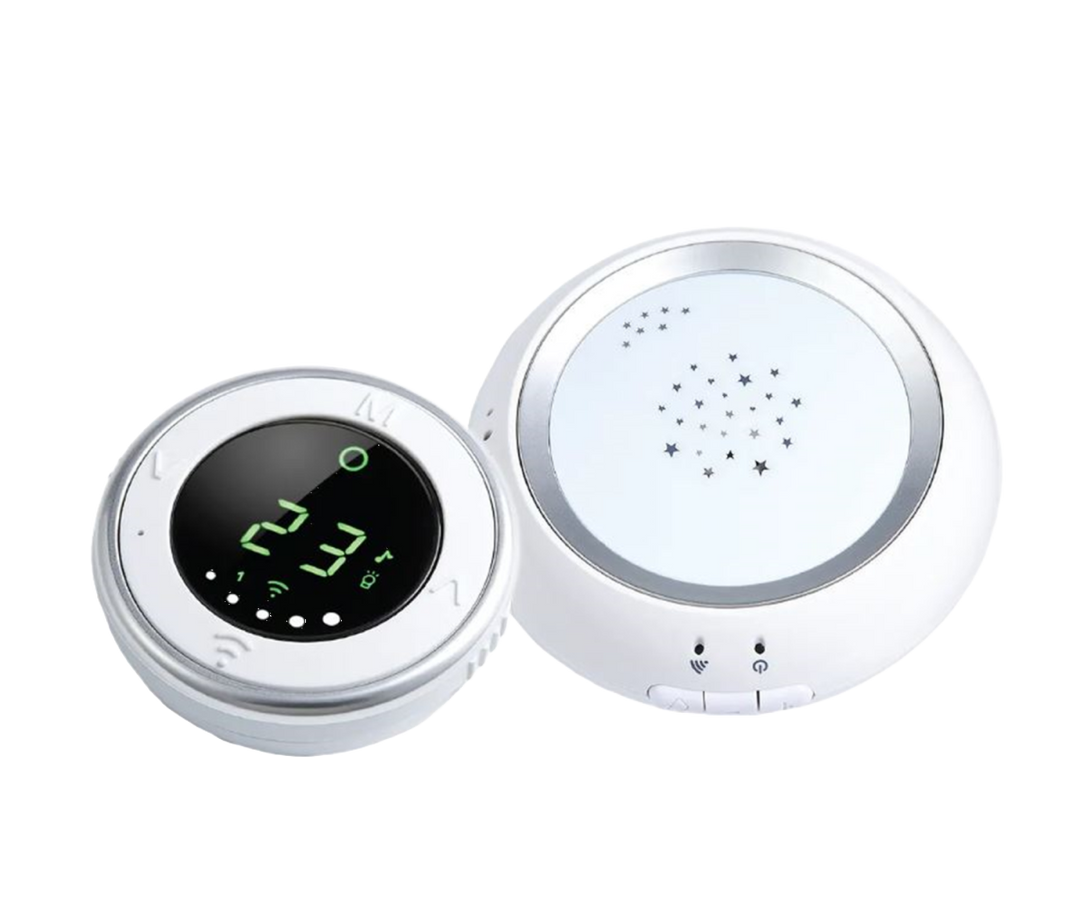
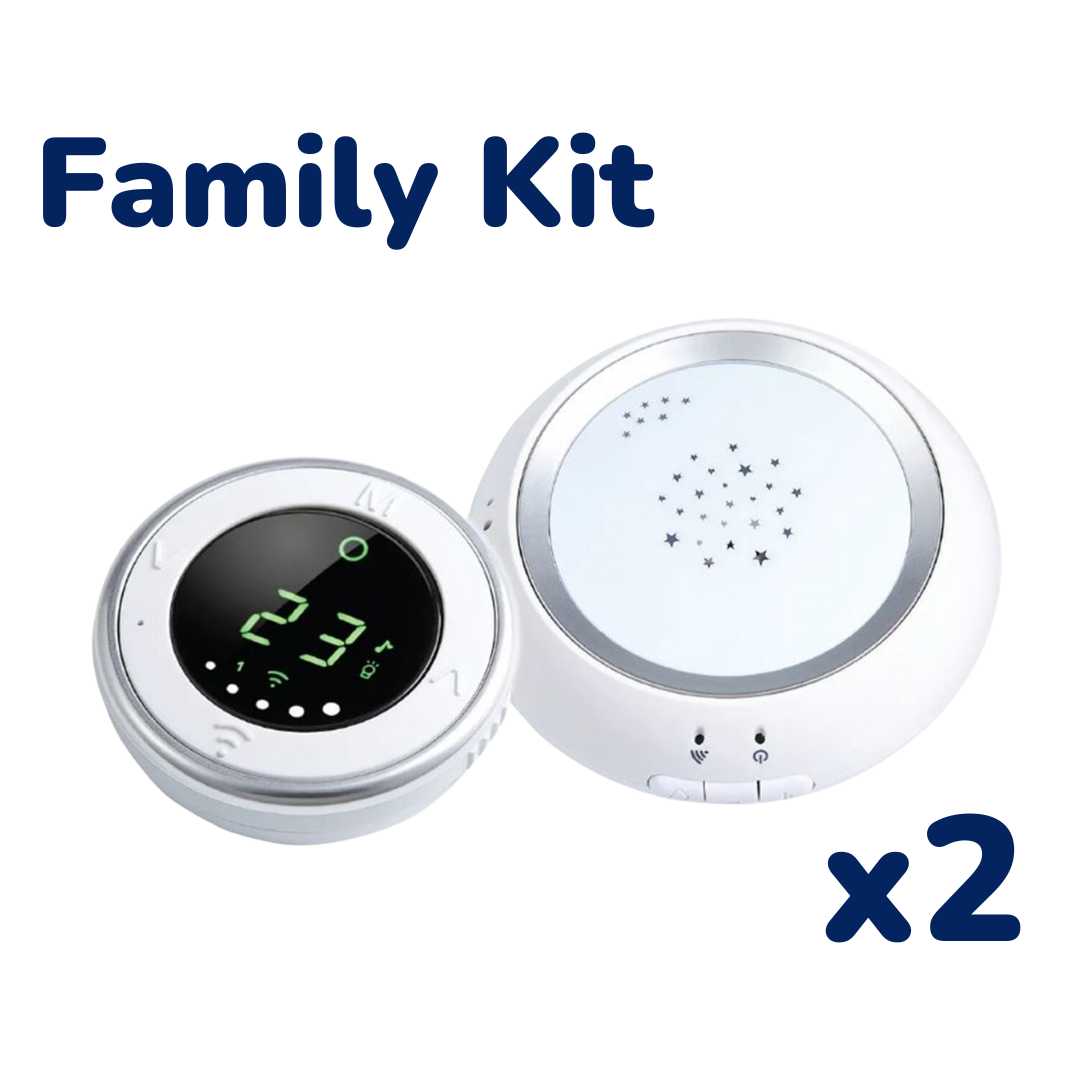
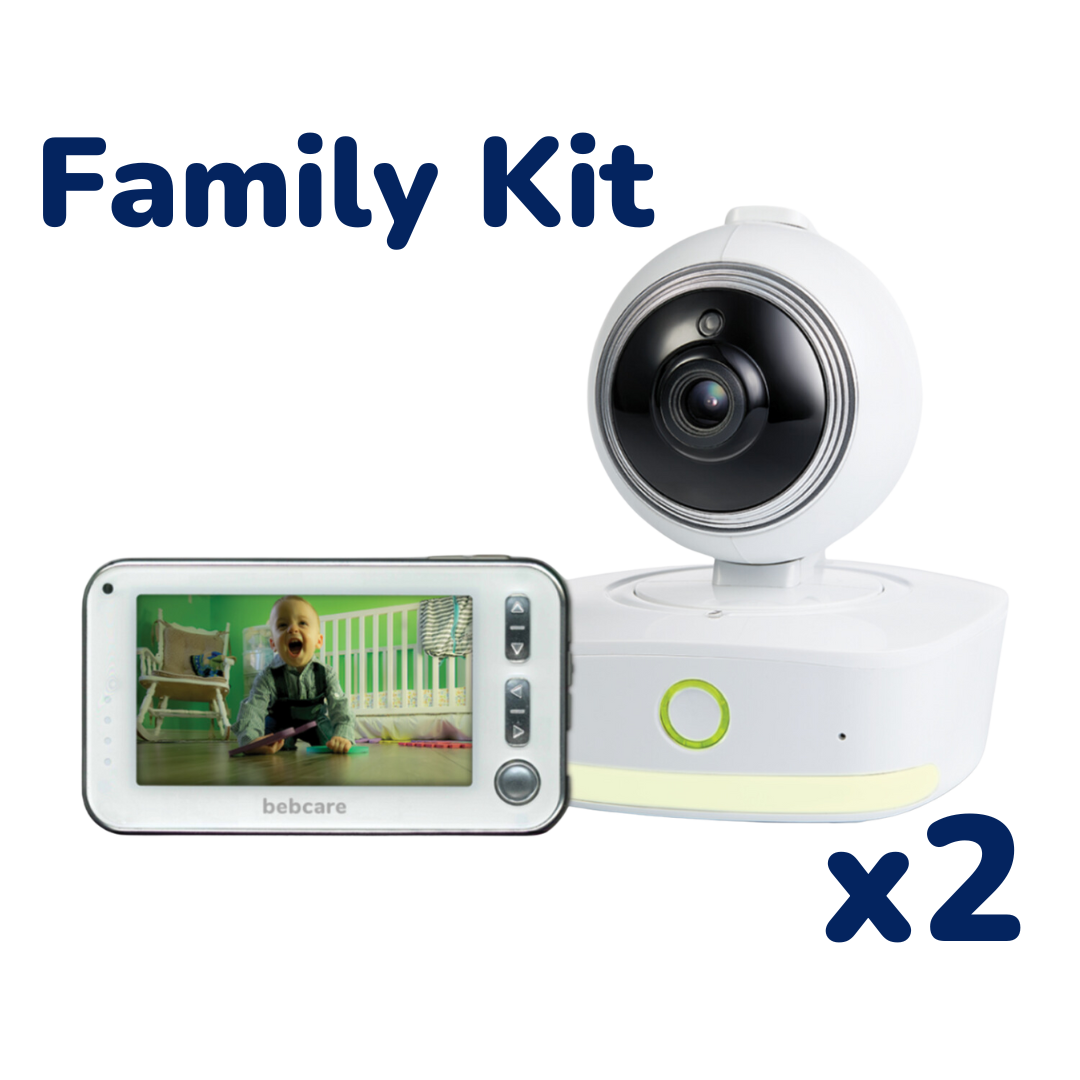
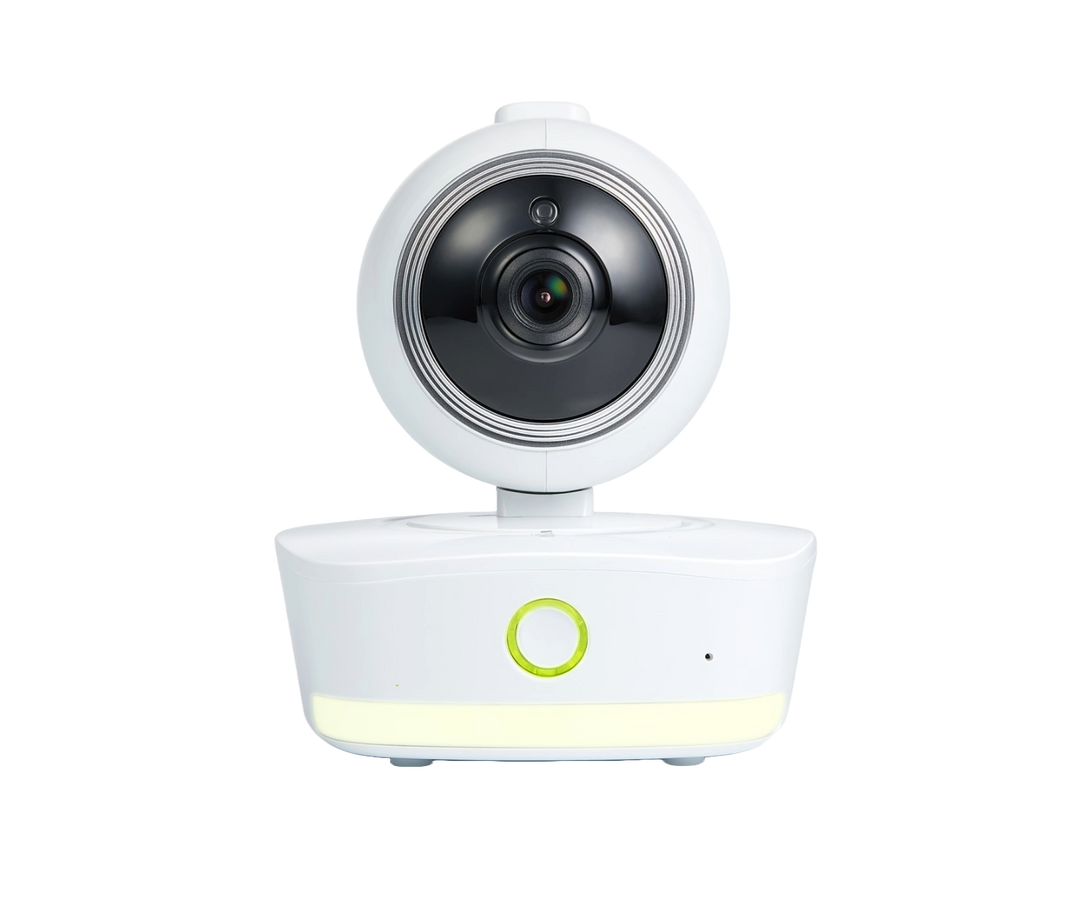
If a caregiver will use a monitor, demonstrate the controls and agree on its purpose. Bebcare’s baby monitor buying guide explains the practical differences between audio, video, WiFi, and non WiFi monitoring. Families wanting local video can also review the Bebcare Motion baby monitor.
Ask for recent professional references from families who employed the candidate in a similar role. Arrange a call when possible.
Depending on local law and the role, screening may include identity, employment eligibility, criminal records, driving records, qualification verification, first aid certification, and childcare registration. Obtain consent and follow local requirements.
An interview shows how a candidate talks about childcare. A paid trial shows how the candidate works. Keep the first trial short and have a parent remain at home.
Do not judge the trial by whether the baby settles immediately. Watch the candidate’s patience, attention, and response.
A careful candidate should want to understand feeding, sleep, allergies, emergency contacts, household boundaries, expected duties, communication, and the reason the family is hiring. No questions at all may indicate that the candidate has not yet considered how much families differ.
A trustworthy newborn nanny needs relevant experience, sound judgment, dependable communication, respect for care instructions, and the ability to remain calm when the day changes.
Define the job first. Ask for real examples. Verify references and qualifications. Complete appropriate screening. Finish with a paid trial that lets you observe the candidate with your baby.
Ask about recent infant experience, safe sleep, feeding, crying, emergencies, communication, reliability, references, and why previous positions ended.
Check recent professional references, verify qualifications, complete legally permitted screening, and observe the candidate during a paid trial.
Current infant first aid and CPR training are valuable qualifications. Ask to see the certificate and confirm when renewal is due.
Ask how the crib should be prepared, how the baby should be positioned, and what the candidate would do if the baby fell asleep in a swing or car seat.
A short paid trial shows how the candidate handles the baby, follows instructions, notices cues, communicates, and responds to feedback.
Confirm the children’s ages, duties, reliability, communication, response to difficult days, reason the job ended, and whether the family would hire the person again.
Agree on a concise record of feeds, naps, diapers, medicine, mood, and anything unusual. Decide which situations require a call.
Provide parent and backup contacts, the home address, allergy and medical information, care instructions, emergency plans, and supply locations.
Use the questions in this guide to compare candidates consistently and make the first working day easier for everyone.




Leave a comment