






News



The best baby monitor is the one that reliably covers your home, matches your privacy preferences, and adds only features you will use. Choose non-WiFi for simple private local viewing, WiFi for remote access, video for visual checks, audio for simplicity, and multi-camera systems for twins. Prioritize range, battery life, security updates, clear alerts, safe placement, and transparent evidence.
Choosing the best baby monitor is less about finding one universal winner and more about matching the technology to your home, routine, and comfort level. A monitor for a city apartment may not suit a multistory house. A frequent traveler may value portability, while another family may prioritize remote access or a dedicated connection.
| Priority | Best category | Main advantage | Main trade-off | Bebcare option |
|---|---|---|---|---|
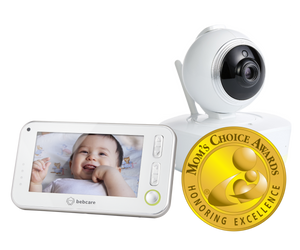
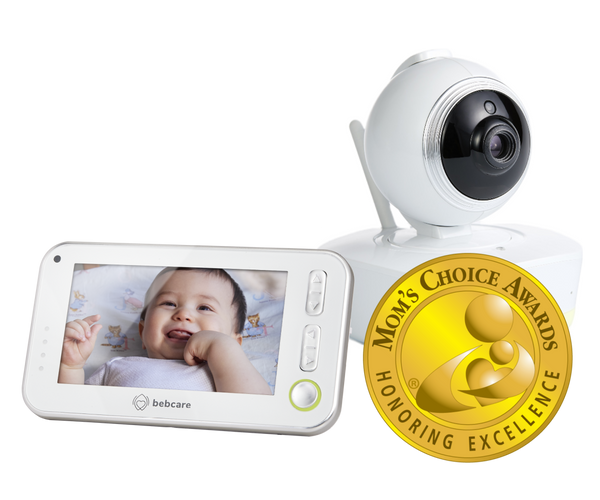
| Everyday video | Non-WiFi video | Dedicated screen and no internet dependency | No viewing beyond local range | View Motion |
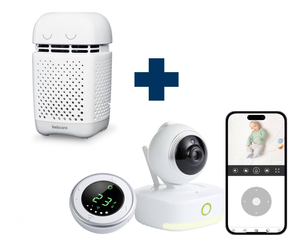
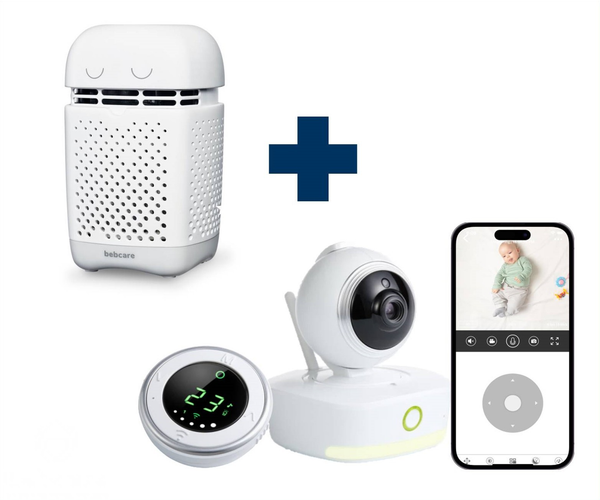
| Remote access | WiFi or hybrid | Smartphone viewing | Internet and account dependencies | View iQ |
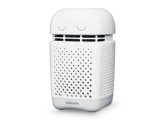
| Screen-free use | Audio | Simple and less distracting | No visual confirmation | View Hear |
| Twins | Multi-camera video | Two rooms or cribs | More equipment | View 2-Camera Kit |
| Travel | Dedicated non-WiFi | No hotel WiFi required | Local range only | Motion or Hear |
| Movement awareness | Under-mattress accessory | No wearable on the baby | Not medical-grade and false readings are possible | View Bebcare Mat |
A non-WiFi monitor communicates directly between the nursery unit and a dedicated parent unit. Core monitoring does not require a router, cloud service, or smartphone app.
A WiFi monitor allows authorized smartphone access but adds router, internet, account, app, cloud, and software dependencies.
Video helps caregivers check sleep position and determine whether a sound needs attention before entering the room.
Audio keeps monitoring screen-free and straightforward, but cannot provide visual confirmation.
A low-emission baby monitor is designed to reduce the duration, duty cycle, or power of wireless transmissions compared with a defined reference product or operating mode. This is an engineering characteristic, not a health outcome.
Measured wireless emissions and medical outcomes are separate questions. Lower measured radiofrequency output does not, by itself, prove improved health or reduced disease risk.
One well-positioned wide-view camera may cover two nearby cribs. Two cameras are usually more useful when cribs are far apart or children sleep in separate rooms. Look for simultaneous split-screen viewing, clear room identification, understandable audio behavior, and safe mounting for every sleep space.
A dedicated non-WiFi monitor can be practical in hotels and rental homes because it does not require guest WiFi or router access. Check battery life, power compatibility, indoor range, pack size, and mounting requirements.
Each recommendation is based on connection type, feature set, and likely family use case. Choose the retailer that best fits your location, delivery needs, and return preferences.
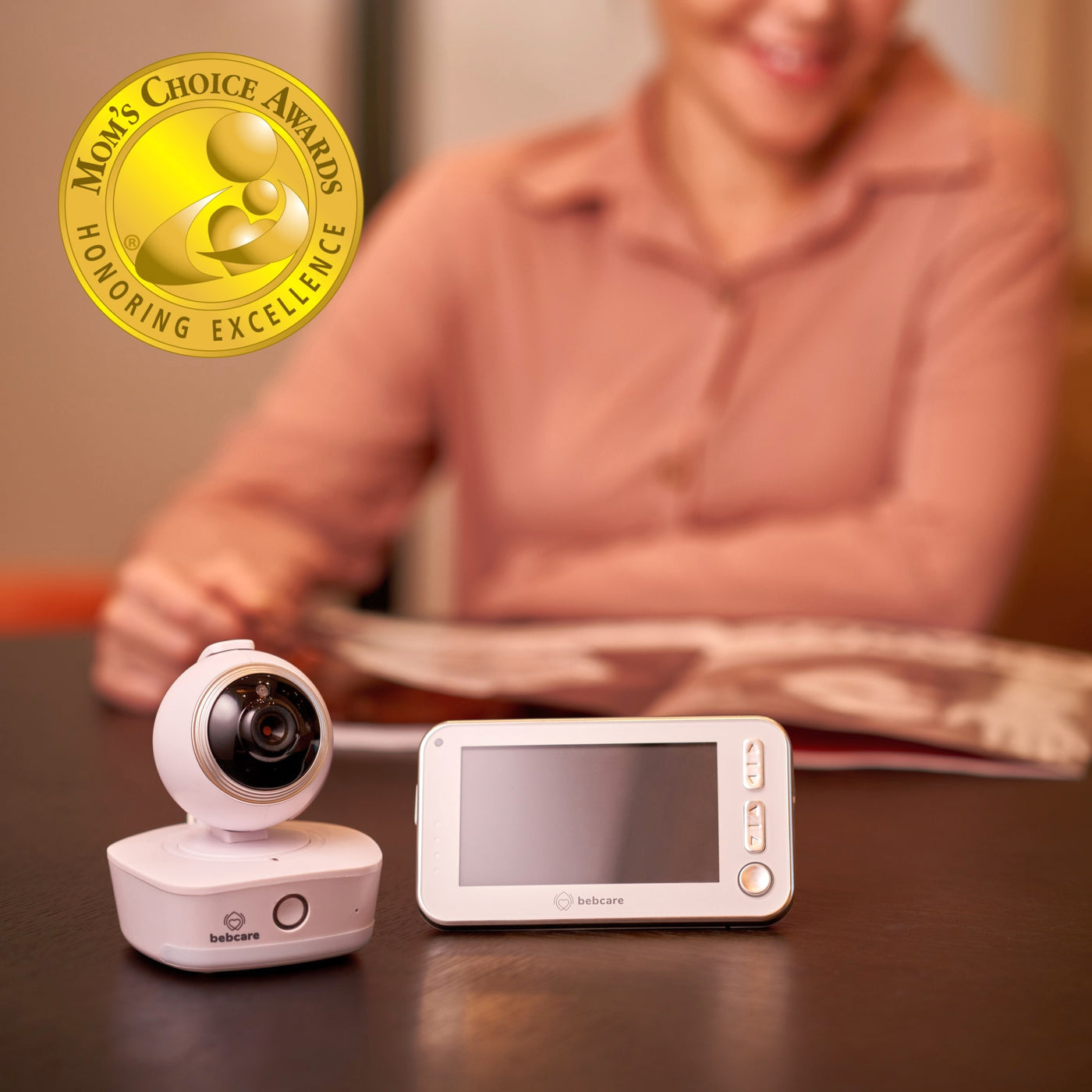
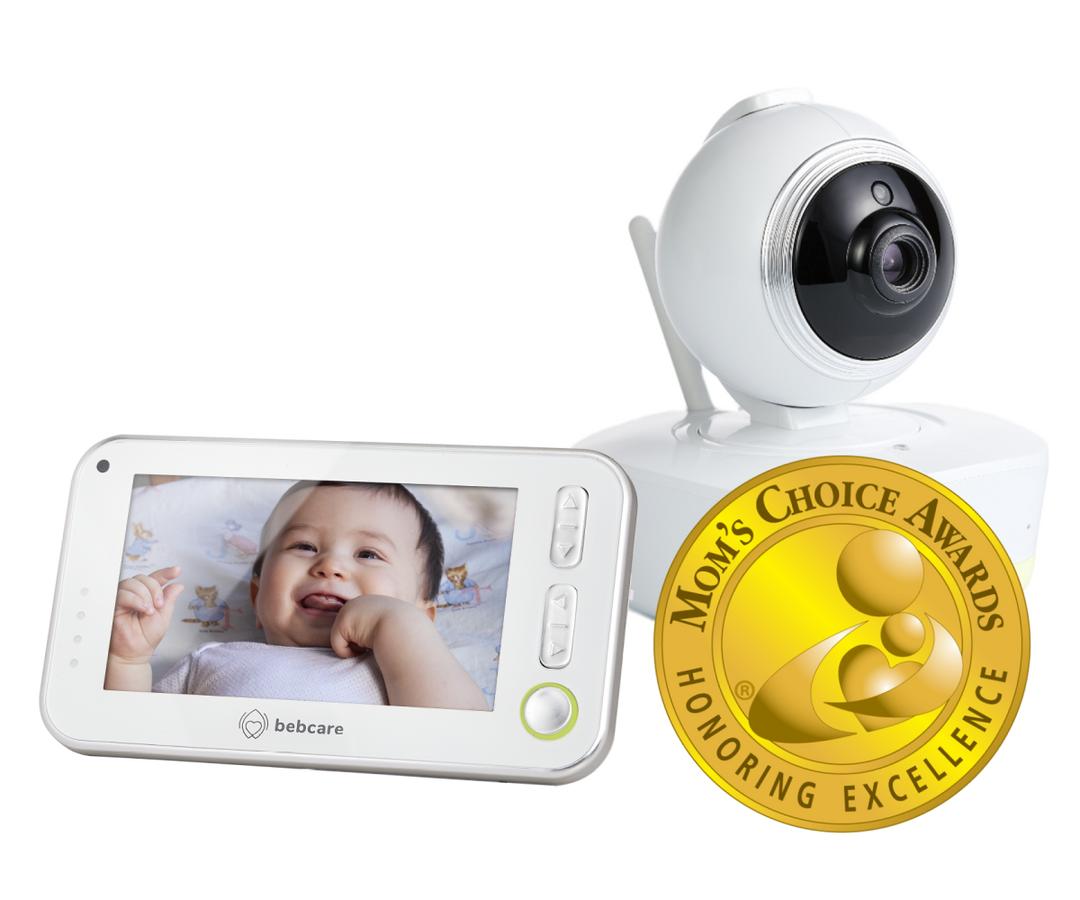
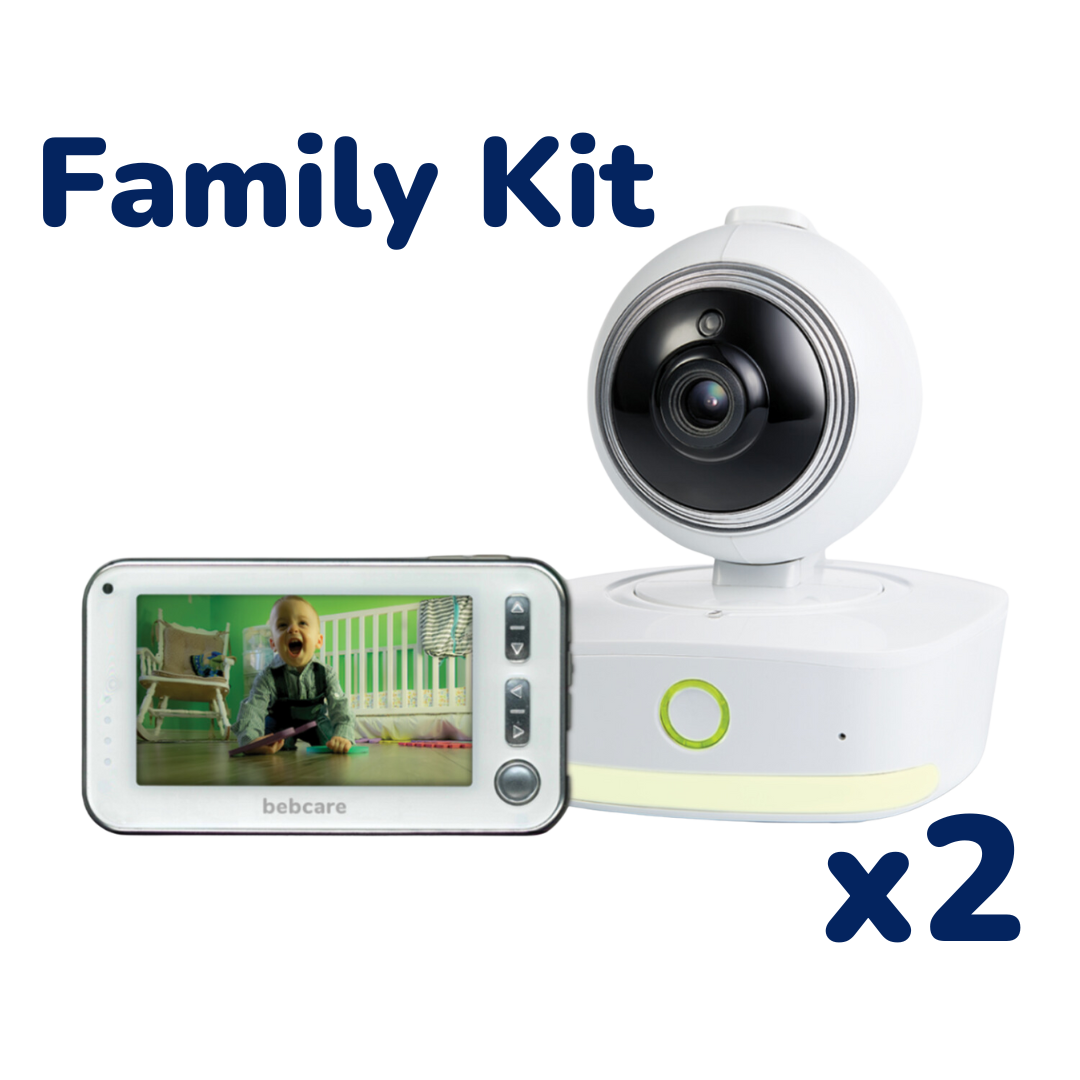
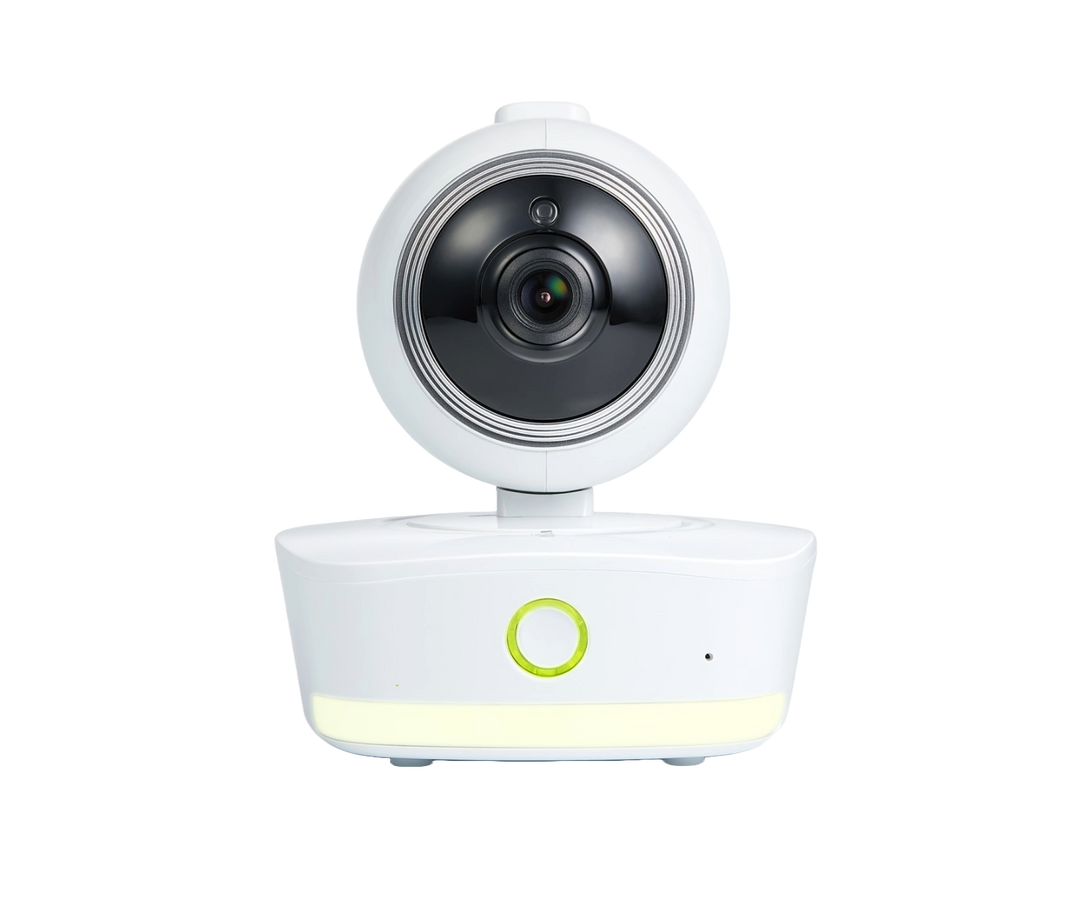
Non-WiFi video through a dedicated screen, with night vision, two-way audio, temperature information, pan and tilt, zoom, lullabies, and multi-camera support.
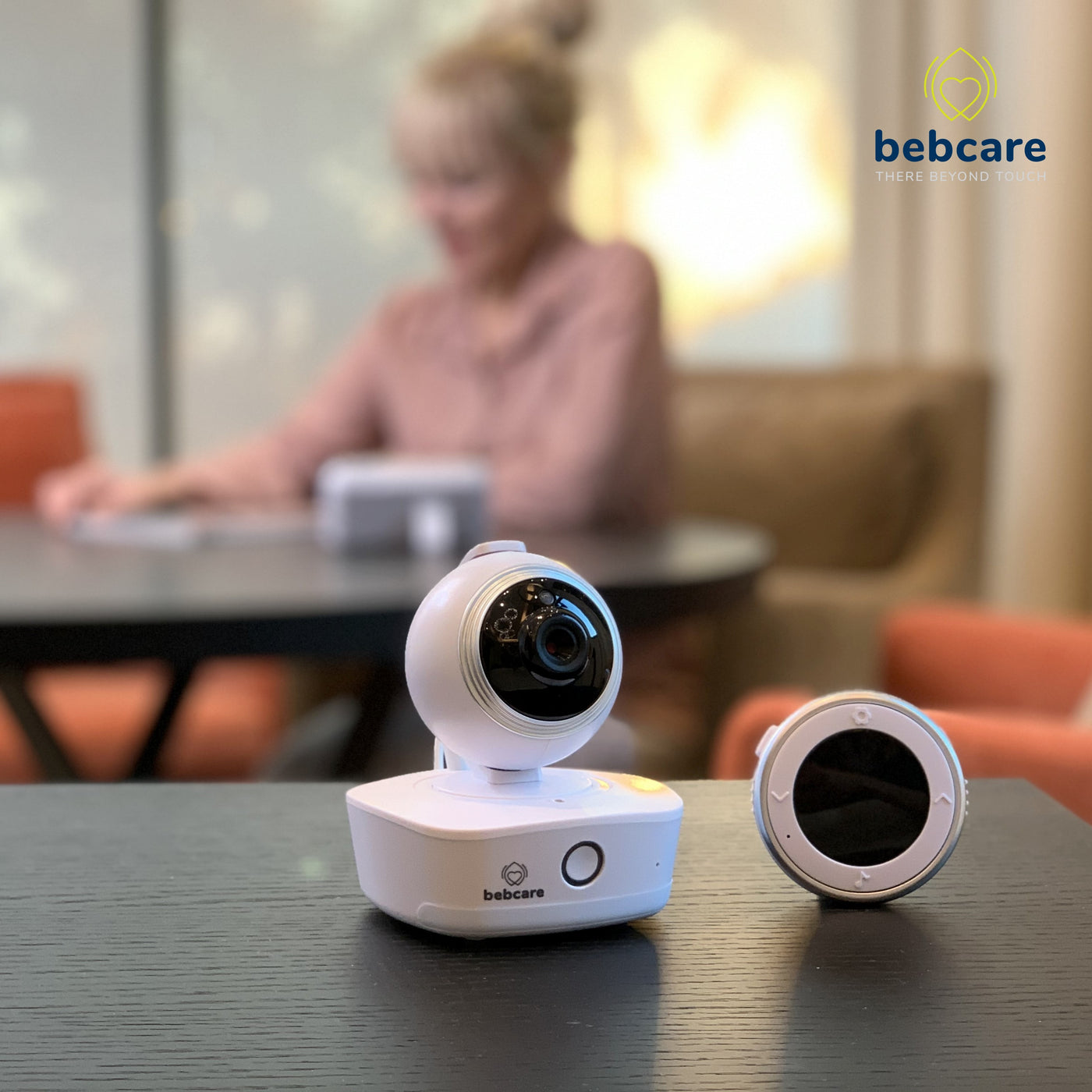
Smartphone access, 1080p video, camera movement, infrared night vision, two-way talk, and a separate audio parent unit.
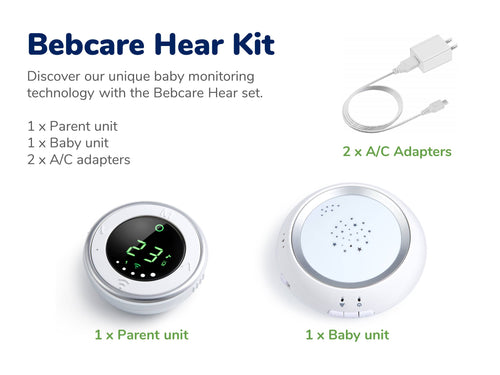
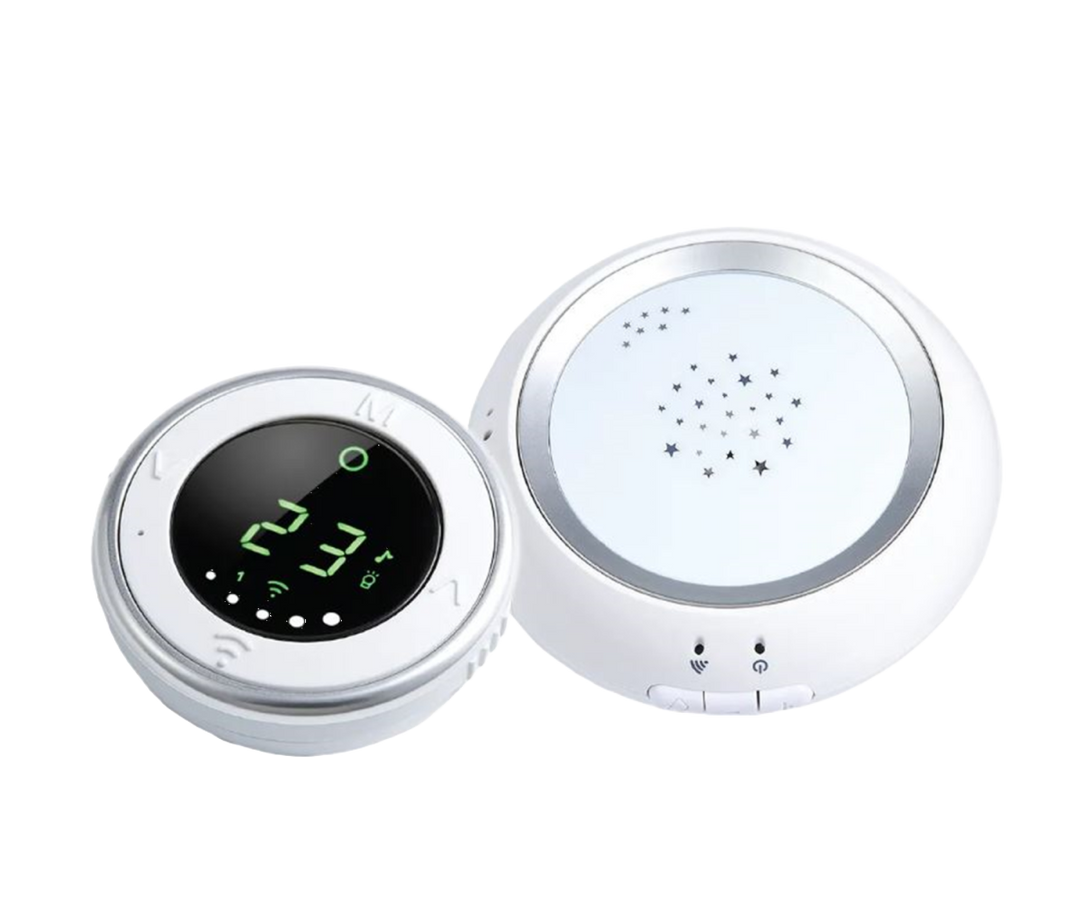
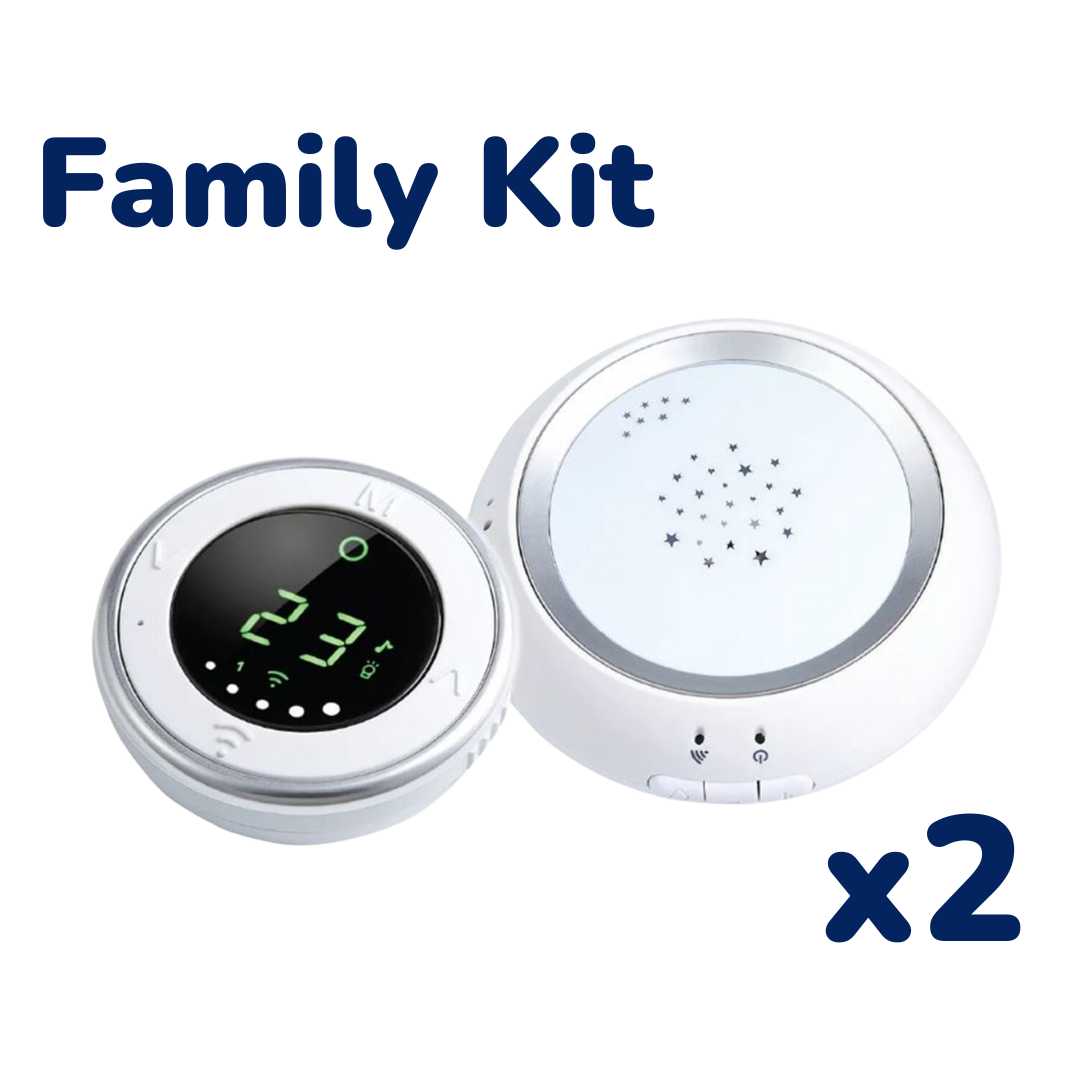
A non-WiFi, screen-free monitoring option with rechargeable operation and less equipment to pack.
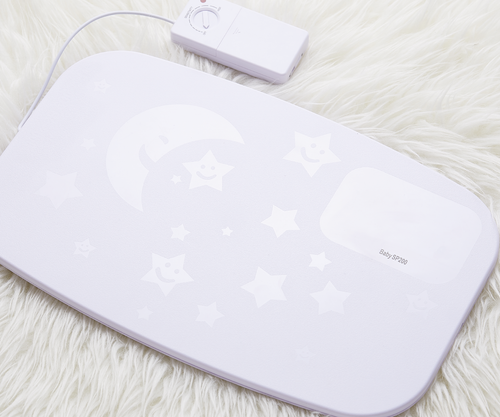
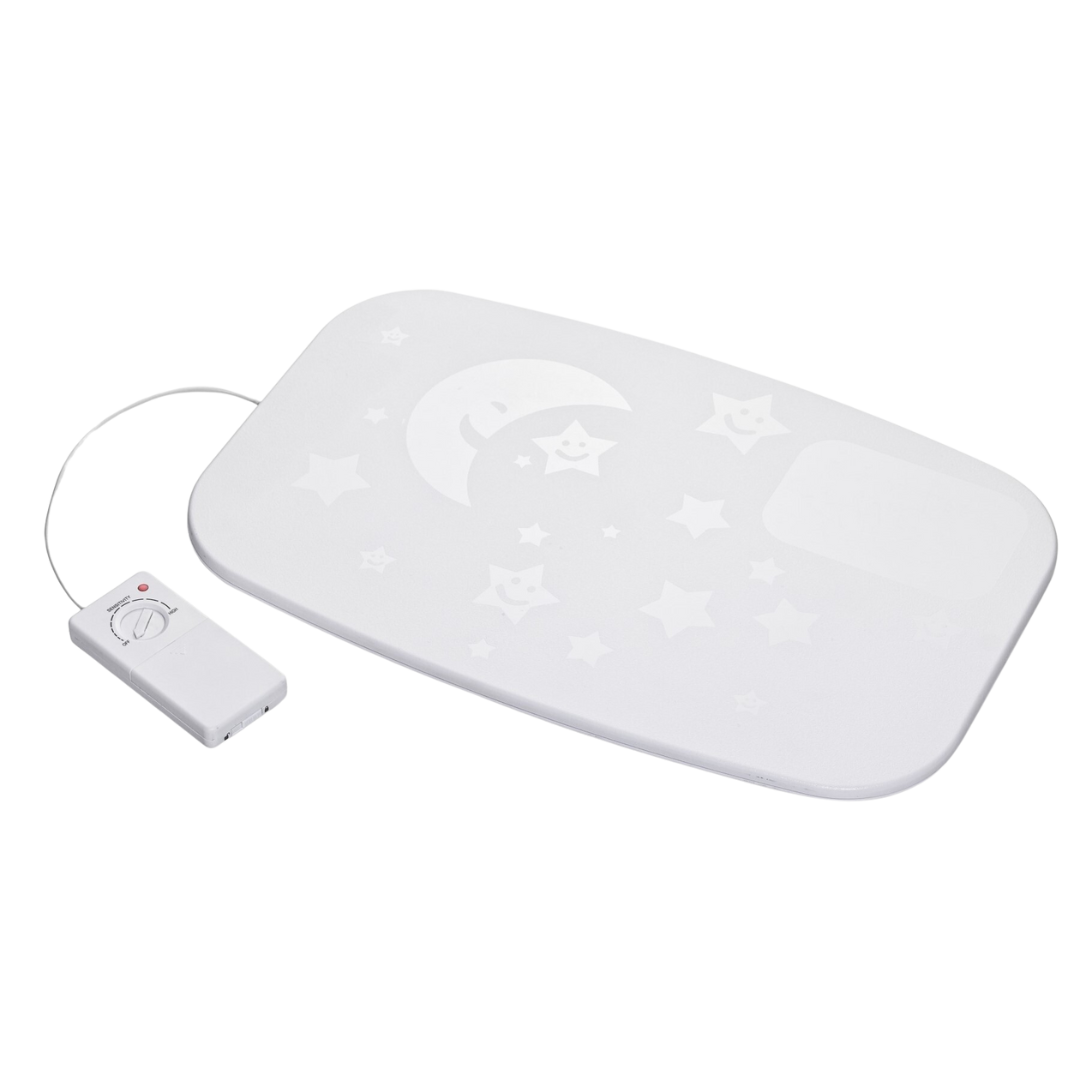
An under-mattress movement-sensing accessory that works only with a compatible Bebcare monitor. The Mat does not operate independently and is not a medical device.
Retail availability and pricing can change. Amazon may show the standalone Mat as unavailable in some locations.
This guide compares current manufacturer specifications, connection architecture, compatibility, published limitations, retailer listings, privacy considerations, and independent editorial coverage. Manufacturer specifications are not treated as independent laboratory results.
For straightforward local video, consider Bebcare Motion. For remote smartphone viewing, consider Bebcare iQ. For audio-only simplicity, Bebcare Hear may be sufficient. For twins or siblings, choose a multi-camera system with split-screen support.
If lower measured wireless emissions matter to your family, compare engineering measurements without turning them into medical claims. Treat the Bebcare Mat as a consumer movement-awareness accessory, understand its limitations, and never rely on it as a medical device or SIDS-prevention product.
There is no universal winner. Non-WiFi video suits many families, while WiFi is useful when remote access matters.
Non-WiFi is simpler and internet-independent. WiFi is better for remote smartphone access.
It avoids direct internet-account access, reducing one route of attack, but no consumer device is impossible to compromise.
Not necessarily. Video adds context, while audio may be enough when a caregiver only needs sound alerts.
Look for two-camera support, split-screen viewing, clear room identification, useful night vision, and safe mounting.
A compact non-WiFi monitor avoids hotel-network setup. Check battery, power compatibility, range, and mounting.
It describes reduced measurable wireless transmission under stated conditions, not a proven health outcome.
Lower measured emissions are an engineering characteristic and do not establish a medical benefit.
No. A monitor does not prevent SIDS or replace safe sleep, adult supervision, or medical care.
No. The Mat is a consumer movement-sensing accessory and can produce false-positive or false-negative readings.
Follow the manufacturer's instructions, with the camera and every cord outside the crib and out of reach.
Use unique passwords, enable multifactor authentication when available, install updates, secure the router, and remove unneeded access.
Compare video, audio, WiFi, non-WiFi, and multi-camera options based on the way your family actually lives.
Compare Bebcare baby monitorsReviewed July 2026.



Leave a comment