






News



A caregiver ready nursery makes safe routines easy to follow without filling the room with labels or clutter. Organize the space around sleep, feeding, changing, calming, communication, and emergencies. Keep everyday supplies in predictable places, leave one concise care sheet, and demonstrate essential equipment before a nanny, grandparent, or babysitter provides care alone.
A nursery can make perfect sense to the person who arranged it and still be confusing to someone stepping in for the first time. The spare sleepwear is in one drawer, the clean bottles are somewhere else, and the emergency contacts are buried in a message thread. A better setup does not require more furniture. It requires fewer decisions.
Safe sleep instructions should not change depending on who is in the room. Show every caregiver the approved sleep space and explain the routine before the first nap or bedtime.
The American Academy of Pediatrics and the Centers for Disease Control and Prevention recommend placing infants on their backs in their own sleep space, using a firm and flat mattress with a fitted sheet, and keeping loose blankets, pillows, bumpers, and soft toys outside the sleep area.
For a broader room planning guide, see From Chaos to Calm: Setting Up a Stress Free Baby Environment Before Birth.
Separate the nursery by task rather than by product category. The aim is to help a caregiver complete common routines without opening every drawer.
Keep the crib or bassinet clear. Store clean sleepwear nearby but outside the sleep space. Place any monitor according to its instructions, with the camera, power cable, and accessories beyond the baby’s reach.
Keep burp cloths, feeding records, and the supplies needed for the next care period together. Separate clean items from used items. Leave written storage and preparation instructions when expressed milk, formula, or prepared food is involved.
Keep diapers, wipes, barrier cream, disposal supplies, and one or two changes of clothing within adult reach. Store medicine, cleaning products, button batteries, cords, and small objects elsewhere.
Choose a comfortable chair or clear floor area for reading, holding, or quiet play. Keep the route to the crib and doorway clear. A portable low level light can help with nighttime care without requiring the main room light.
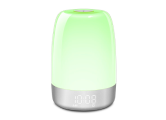
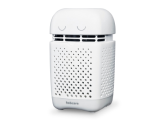
If portable task lighting would simplify late feeds and changes, the Bebcare Luna portable nursery light offers rechargeable, adjustable lighting that can move with the caregiver.
A long handbook may be useful for regular employment, but urgent information should not be buried inside it. Keep a one page summary in a known location and review it whenever details change.
A caregiver should not need to search text messages for the home address or a backup contact. Put essential information in one known place and walk through it together.
The Consumer Product Safety Commission advises families to use appropriate child safety devices, anchor furniture, use cordless window coverings, and check safety devices regularly because no device is completely childproof.
Even familiar products can work differently from one home to another. A short demonstration is more useful than leaving a manual on the dresser.
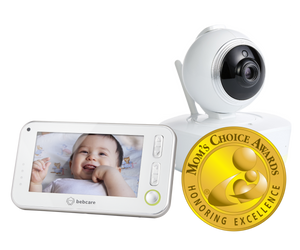
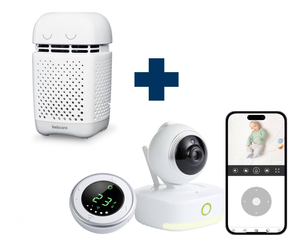
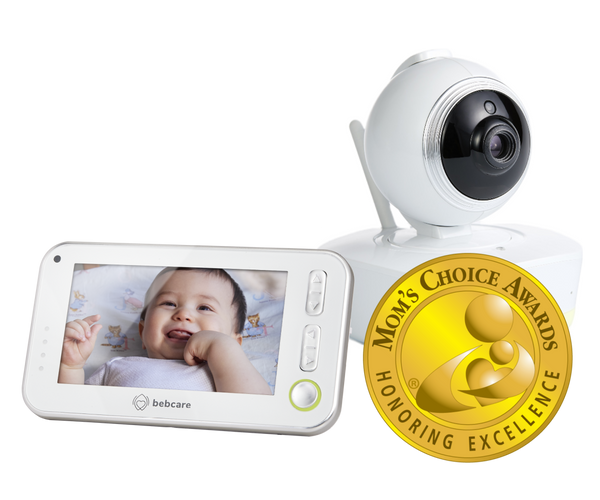
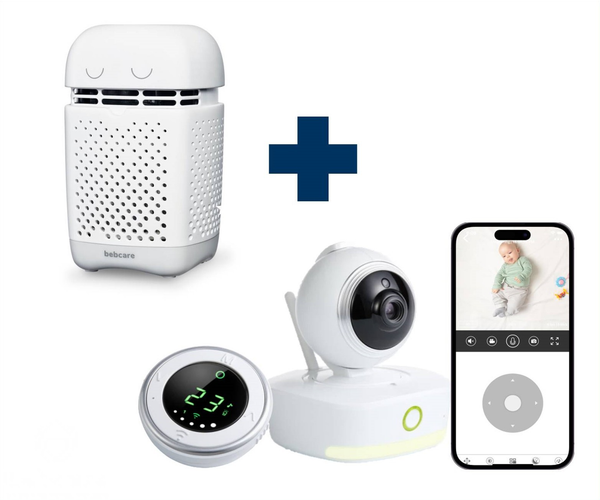
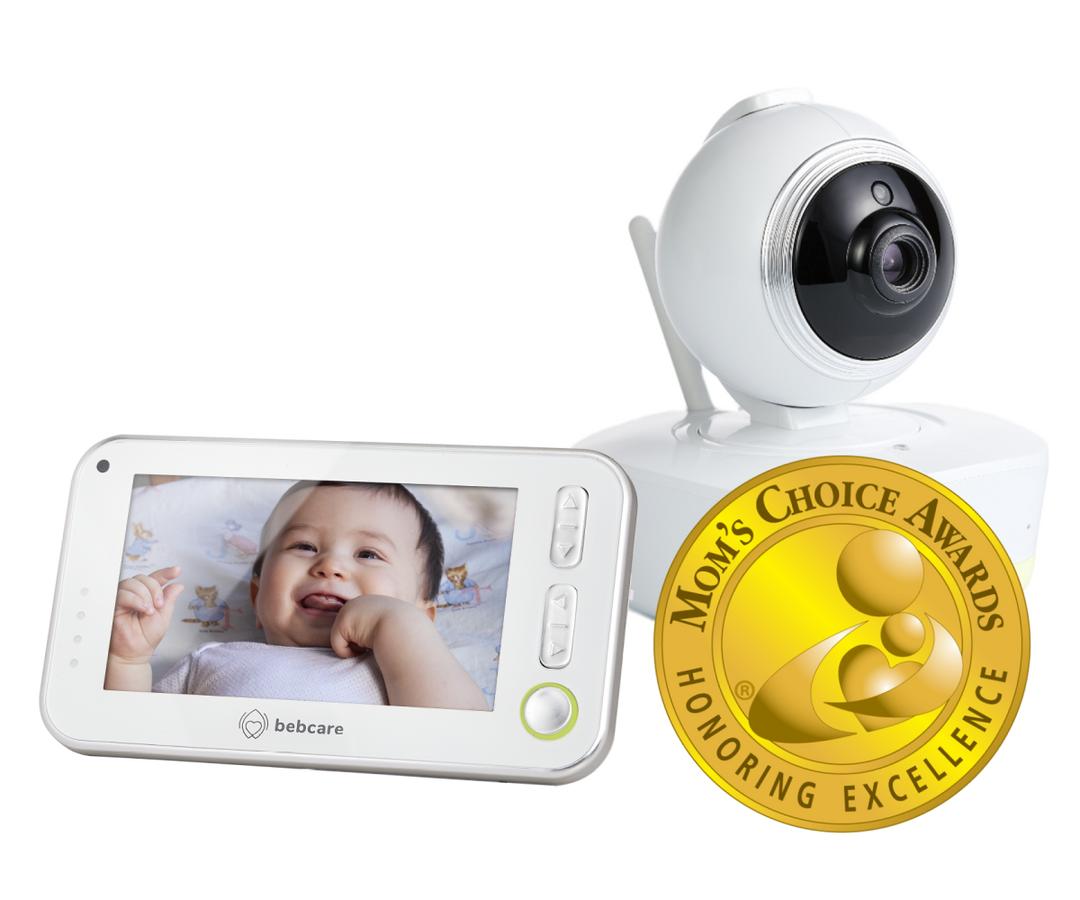
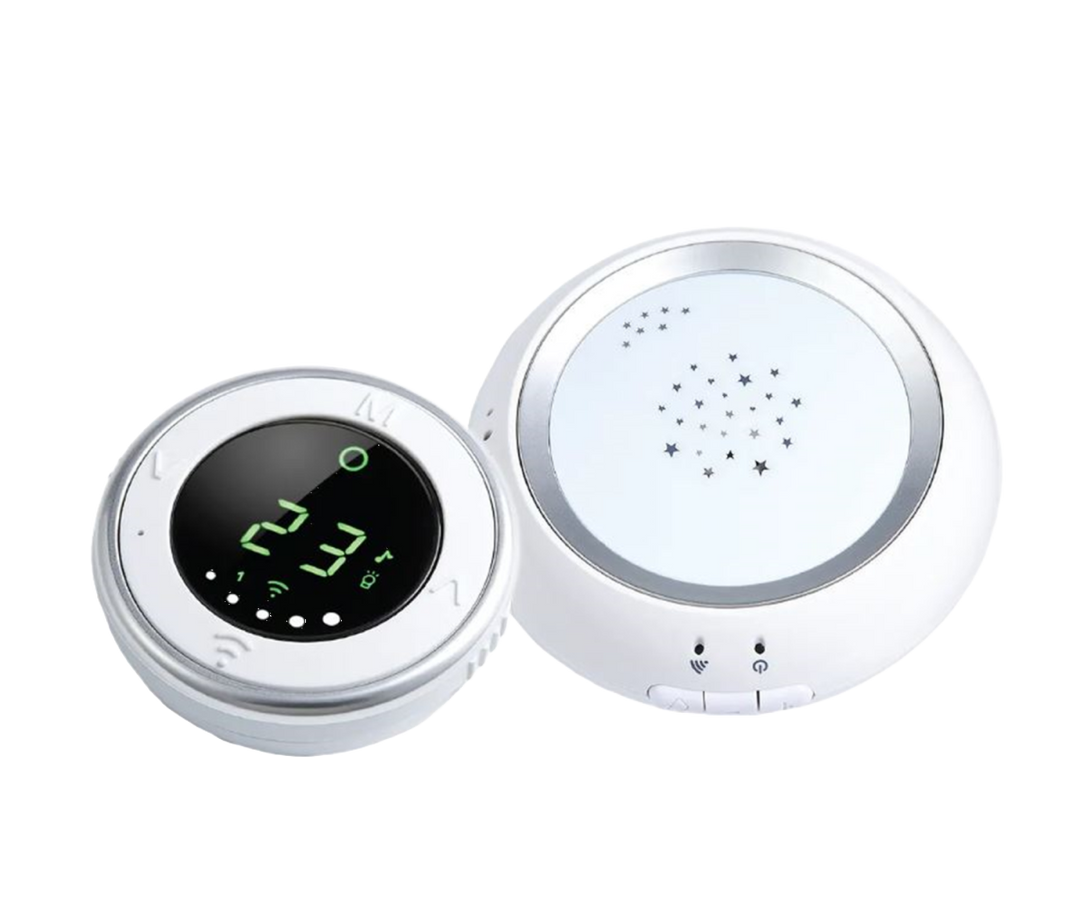
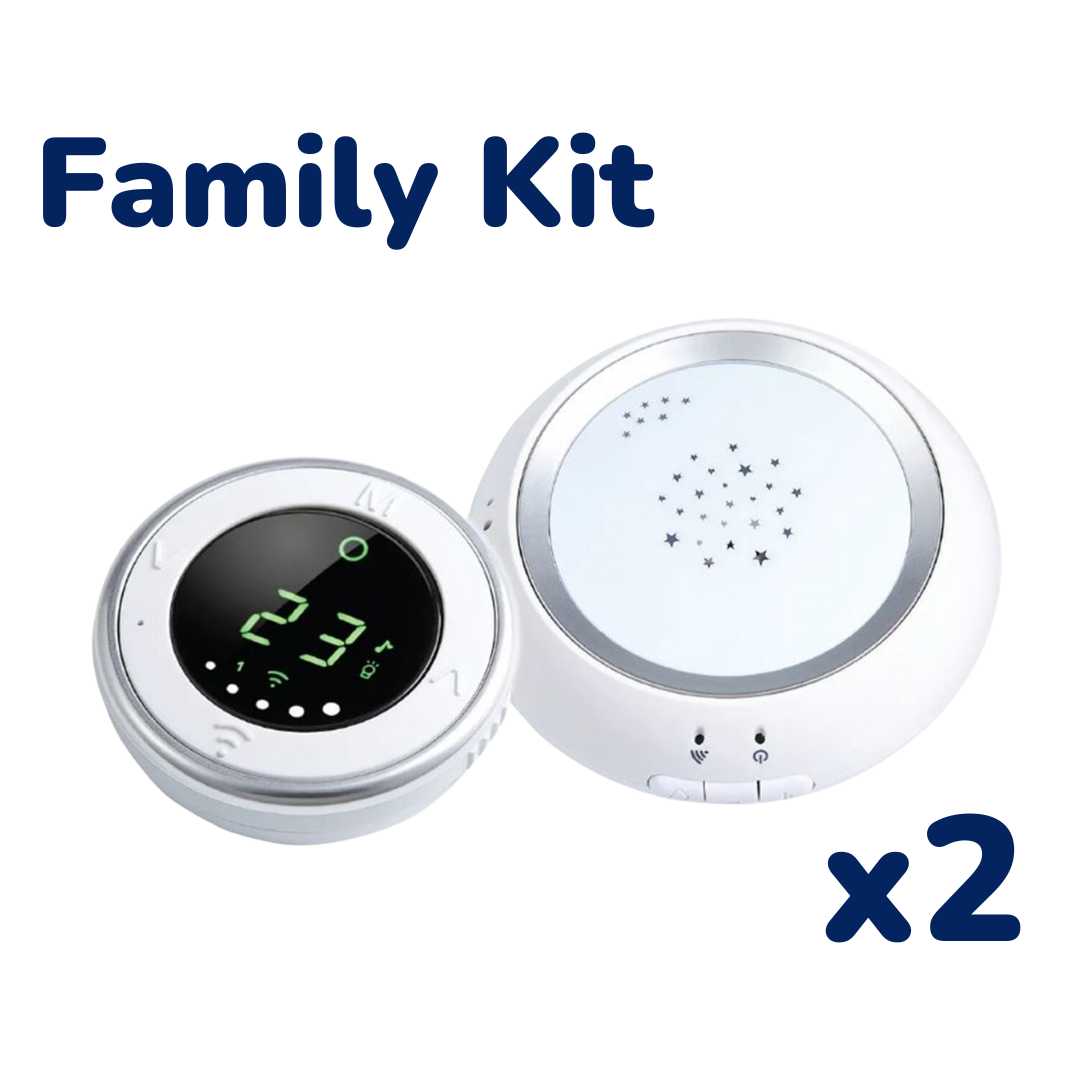
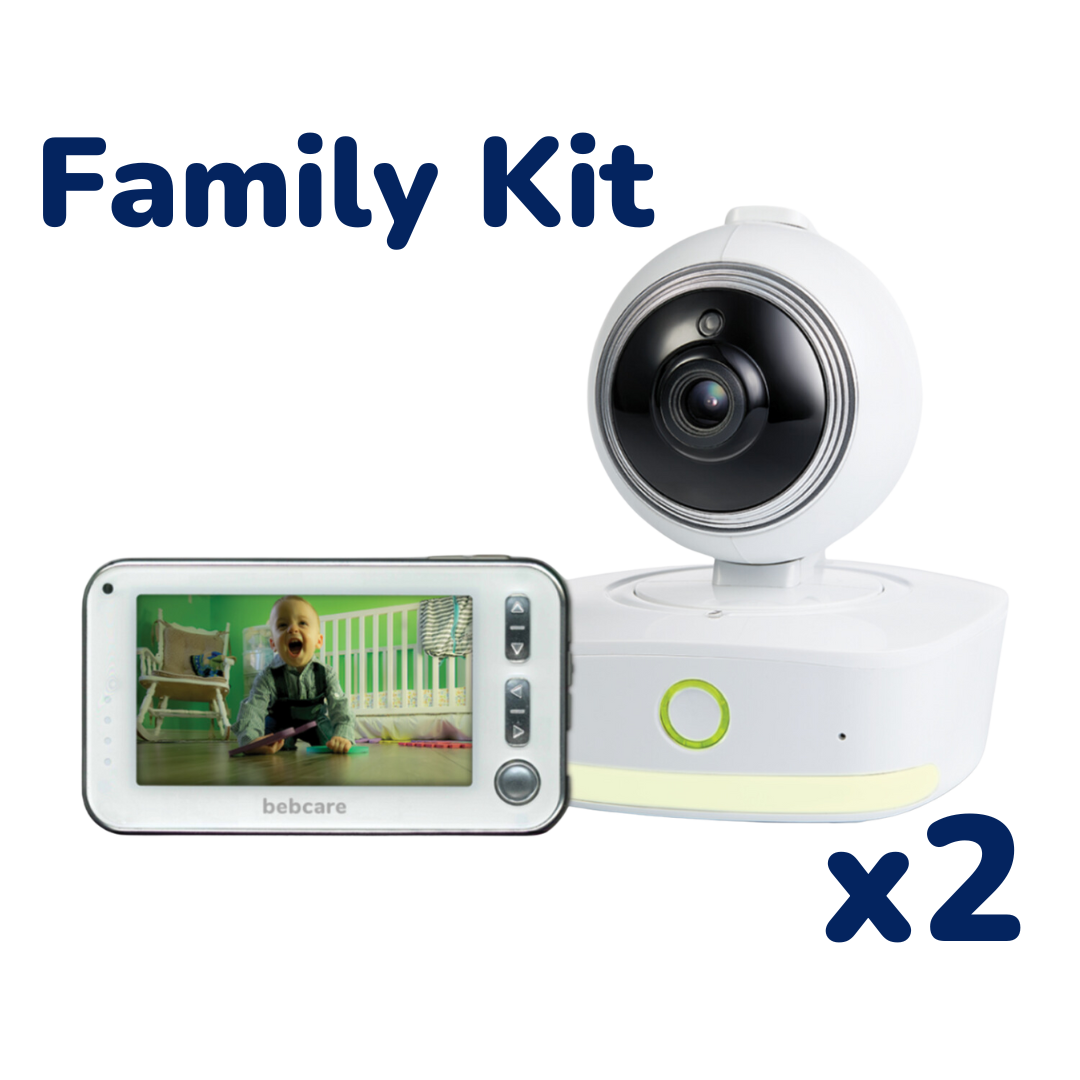
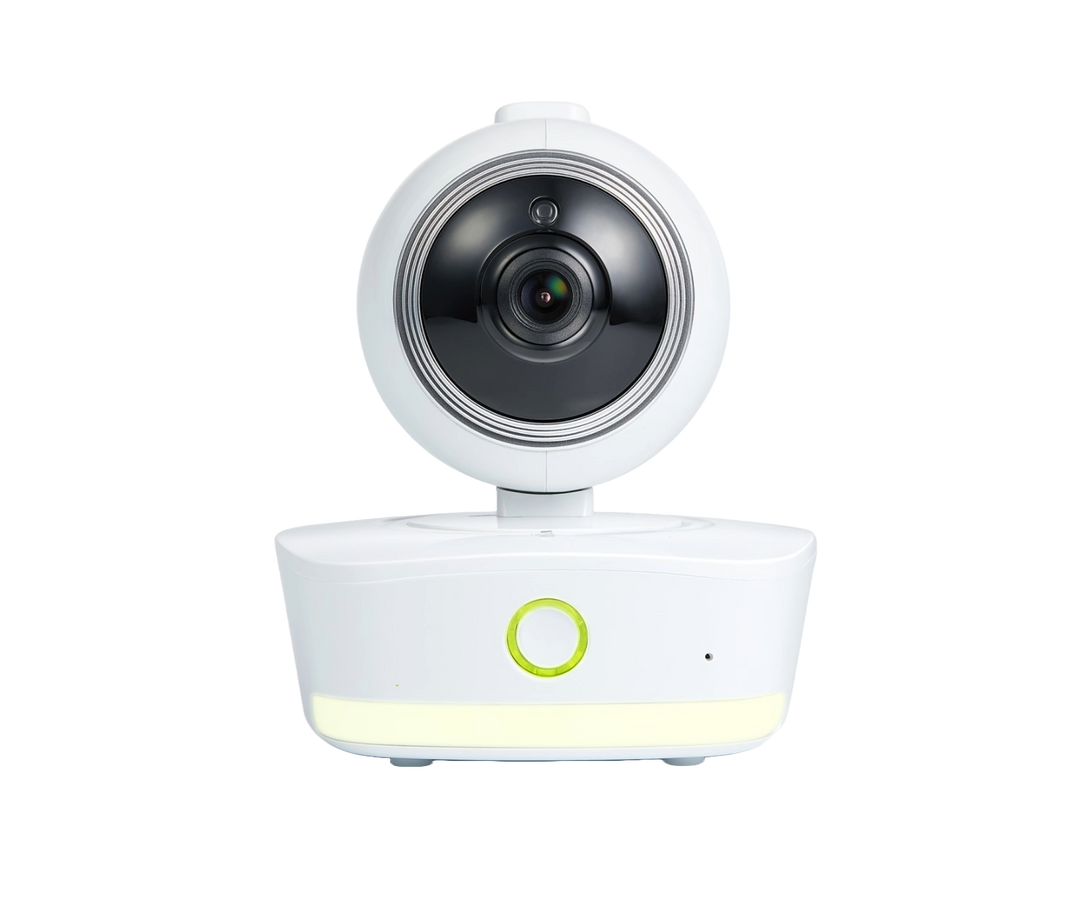
If the caregiver will use a baby monitor, agree on its purpose and pair it with direct checks. Bebcare’s baby monitor buying guide explains the practical differences between audio, video, WiFi, and non WiFi monitoring. Families wanting dedicated local video can also review the Bebcare Motion video baby monitor.
A consistent update helps a grandparent, nanny, or babysitter begin without guessing. Keep it factual and brief.
When the caregiver hands care back, ask for the same information in return: feeds, naps, diapers, medicine, mood, anything unusual, and what may happen next.
If you are still choosing a regular caregiver, read What Questions Should You Ask When Hiring a Nanny for a Newborn?.
A room that works for a newborn may need significant changes once the baby can roll, reach, crawl, pull to stand, or climb. Recheck the room from floor level and from the crib.
The CPSC recommends anchoring furniture, reducing access to window cords, using suitable window protection, and maintaining installed safety devices as children become more mobile.
A nursery works well for caregivers when the room answers common questions before they are asked. Keep safe sleep consistent, organize supplies by task, write down essential information, and use the same short handoff each time.
The best setup is not the most elaborate one. It is the one that helps a trusted caregiver provide calm, consistent care without searching, guessing, or improvising.
Organize the room by task. Keep sleep, feeding, changing, and calming supplies in predictable places. Add one concise care sheet, show the caregiver where emergency information is stored, and demonstrate any equipment before the first solo care period.
Leave parent and backup contacts, the home address, medical and allergy information, feeding instructions, sleep instructions, the expected routine, and clear guidance about when to call.
Keep a concise copy in a place the caregiver can reach quickly, such as a labeled kitchen or nursery folder. Avoid displaying door codes, financial details, or sensitive legal information on a visible sheet.
Keep diapers, wipes, barrier cream, clean clothes, burp cloths, and disposal supplies within adult reach. Medicine, cleaning products, cords, and small objects should be stored separately and securely.
If the caregiver will use a monitor, demonstrate the controls, charging, alerts, camera view, and intended purpose. Explain that a monitor supports care but does not replace direct supervision.
Review the setup whenever the baby begins rolling, reaching, crawling, pulling to stand, or climbing. Also review it when the feeding routine, medication, caregiver, or emergency contacts change.
Include contacts, the home address, allergies, feeding notes, sleep instructions, comfort cues, the daily plan, and the location of essential supplies. Keep detailed legal and employment information elsewhere.
Use the same storage locations and the same short update format every day. Share the last feed, nap, diaper, any medicine already given, anything unusual, and what is likely to happen next.
A few fixed locations, one clear care sheet, and a repeatable handoff can make shared care much smoother.




Leave a comment